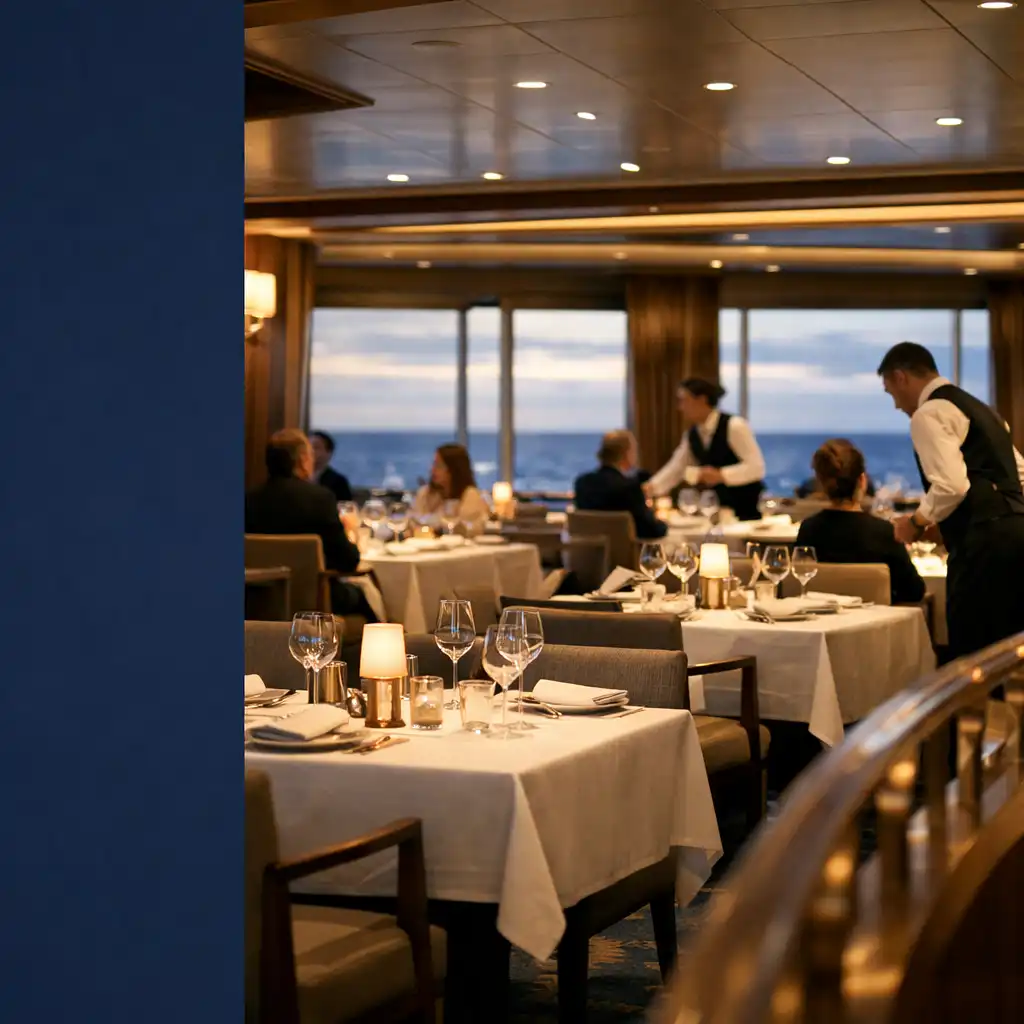
An elegant cruise-ship dining room set for early evening service, with sea-facing windows and softly lit tables.
Dining aboard

A dining day begins in more than one room

Dining is one of the changing rhythms of life at sea: a shared evening meal, a quick coffee between activities, or something quiet behind a cabin door. ADSIGHT LTD is an independent informational travel portal, and this guide looks at cruise-ship dining rather than offering restaurant reservations or cruise bookings. From main dining rooms and buffets to specialty tables, casual counters, cafés, bars, cocktail lounges and room service, each setting has its own pace.

Useful to remember: venues, opening hours, menus, charges and dress expectations can vary by cruise line, ship and itinerary. Once sailing, the daily onboard information is the practical source for the current schedule.

A practical vocabulary

The dining map aboard

Most ships bring together several ways to eat and drink. Thinking in categories makes it easier to recognise what suits the moment, while leaving room for the details that only a particular sailing can confirm.

Seated meals

Main dining rooms

A main dining room is usually the shared, seated setting that gives an evening meal a more paced shape. Table sizes, seating arrangements, service format, menus and dress guidance can all differ. It is best understood as a place to linger over a meal, not an assurance of any single style of food or service.

Read about the dining-room rhythm
Flexible meals

Buffets

Buffets are generally designed for self-directed dining across changing meal periods. Their variety can make them useful when plans move around, but the current hours, available stations and busiest times are part of the daily shipboard pattern. Check the programme rather than assuming a venue is open at every hour.

Flexible timing, checked daily

Focused setting

Specialty restaurants

Specialty restaurants often centre on a particular cuisine, setting or service style, distinct from broader dining venues. Reservations, additional charges, menus and availability may vary by ship and sailing. Consider them an option to assess against the evening you want, rather than a guaranteed upgrade.

Explore specialty dining
Informal stops

Casual dining

Casual dining bridges the gap between a formal meal and a quick snack. Depending on the ship, that might mean an informal meal spot or a counter near a busy part of the day. Operating hours commonly follow the daily programme, so the useful question is what is available when you need it.

See how casual dining fits
Smaller pauses

Cafés

A café can suit a hot drink, light bite or quieter seat away from formal meal service. Its role is often more about a pause in the day than a full dining occasion. What is included or charged separately, and what food is offered, varies between venues and ships.

A pause, not a dining-room substitute

Social spaces

Bars and cocktail lounges

Bars and cocktail lounges are social settings as well as places to order a drink, and may change character from daytime to evening. Some sit near entertainment, while others offer a quieter corner before dinner. Offerings and applicable service rules vary, so atmosphere matters as much as the menu.

Drink responsibly; venue rules vary

Everyday anchors

The main dining room rhythm

A main dining room is often where service, shared timing and a longer meal shape the experience. For some visitors it becomes a familiar point in the day; for others it is one option among several. Dinner may use assigned, flexible or otherwise varying arrangements depending on the operator and sailing, so it is worth reading ship-specific information with an open mind.

Menus, table sizes and dress guidance are useful details to check rather than assumptions to make. The daily schedule can also show when a meal fits around a show, port return or a slower evening on deck.

  • Current meal times and seating guidance
  • Menu information and table arrangements
  • Venue-specific dress guidance
A flexible stop

The buffet as a flexible stop

A buffet can make meal timing feel more flexible, especially at breakfast, lunch or during a lighter evening. It suits a self-directed approach: choose a table, see what is available and carry on with the day. That flexibility does not mean every station follows the same pattern.

Seating, station availability and hours may shift with the day’s routine, a port call or the ship’s own schedule. A quick look at current onboard information helps set expectations without turning a meal into a rigid plan.

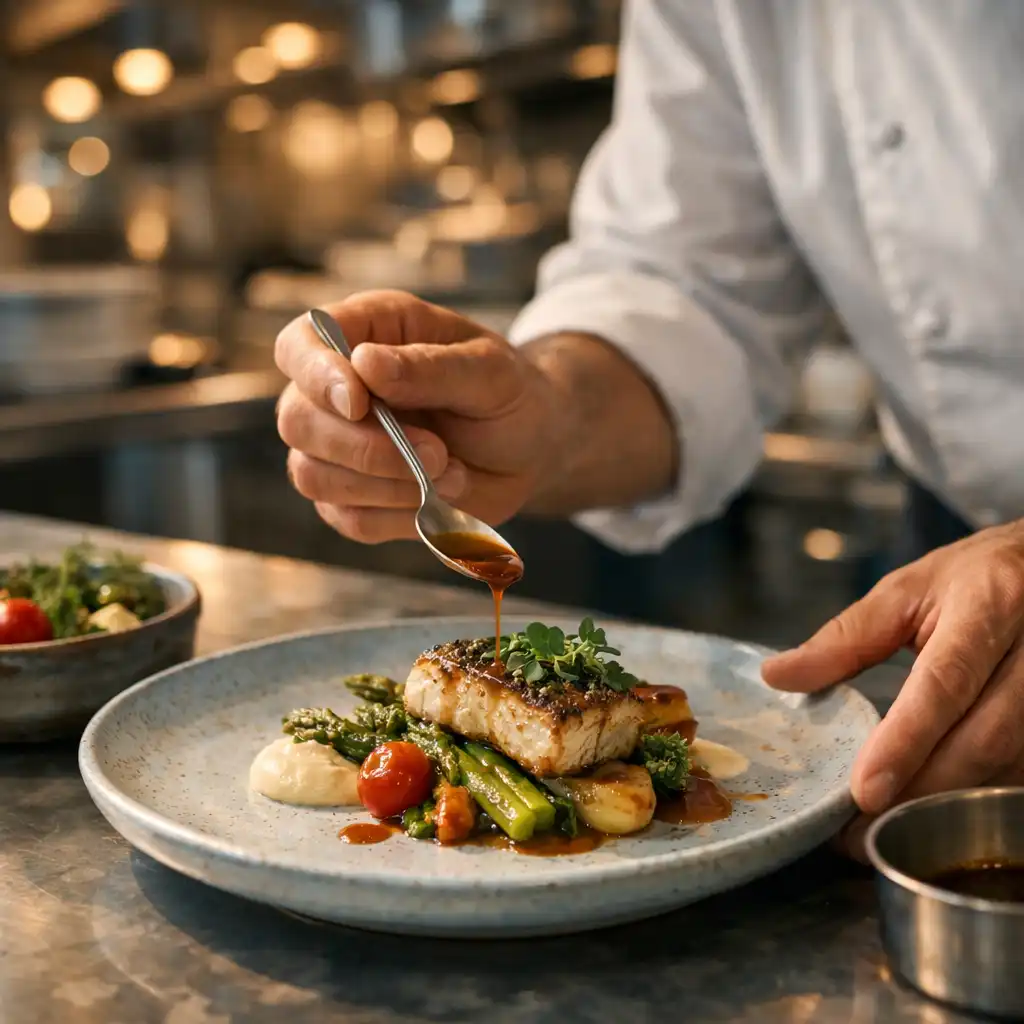
A chef finishes a plated dinner at the pass of a cruise-ship specialty restaurant.
Preparation and pace can be part of the appeal, but the available concept is always ship-specific.
A deliberate evening

When a meal is built around one idea

Specialty restaurants usually distinguish themselves through a particular cuisine, setting or pace of service. A cuisine-led room or chef-focused meal can give an evening a different centre of gravity from the ship’s broader dining venues, without making it inherently better than the alternatives.

Access, reservation processes, charges and menus vary by ship and sailing. Treat the venue as part of the day’s practical picture: a choice that may suit a quiet sea day, a celebratory dinner or an evening with enough time to spare.

Three details worth checking

01

Menu and meal time

Look at the current menu and service time, so the cuisine and pace match the meal you have in mind.

02

Venue guidance

Check whether reservations, walk-ins or other venue terms apply for that sailing and ship.

03

Evening timing

Consider dress guidance alongside port days and onboard entertainment, leaving room for the rest of the evening.

“The useful question is not whether one table is automatically better, but whether its atmosphere and timing suit the evening you want.”

ADSIGHT LTD editorial note
Around the day

The smaller stops that shape a day

Informal venues often make the ship feel easier to navigate, because food and drink can sit alongside the changing pace of activities, weather and time ashore.

Informal meals

Casual dining between plans

Casual dining is useful when you want to eat around the day’s movement rather than organise the day around a meal. An informal counter or lighter meal spot may suit time by the pool, a return from shore or a gap between activities. Check the daily operating hours, as the rhythm can change from one day to the next.

Coffee and quiet

The café pause

Cafés often offer a smaller, slower pause: a drink, a light bite and somewhere to sit outside the formality of a meal. Their atmosphere can be as useful as the menu when you need a little space in a busy day.

Beverage and food arrangements differ by venue and ship.

Evening geography

Lounges after daylight

Bars and cocktail lounges can be part of a ship’s social geography, from a quiet pre-dinner seat to a livelier room near entertainment. Their day-to-night atmosphere may shift with music and activity, while drink offerings and applicable service rules remain venue-specific.

Choose the setting for its atmosphere, and drink responsibly.

A quieter option

Eating in your cabin

Room service and in-cabin dining can suit a quiet start, a simple meal after a full day, or a moment when leaving the cabin is less appealing. It is one option among many, rather than a universal benefit. Room-service hours, available items, charges and delivery arrangements can differ between ships and itineraries.

For that reason, it helps to check the current information before relying on it for a particular meal. The cabin’s layout and available surface space can also influence whether eating in feels practical or simply convenient.

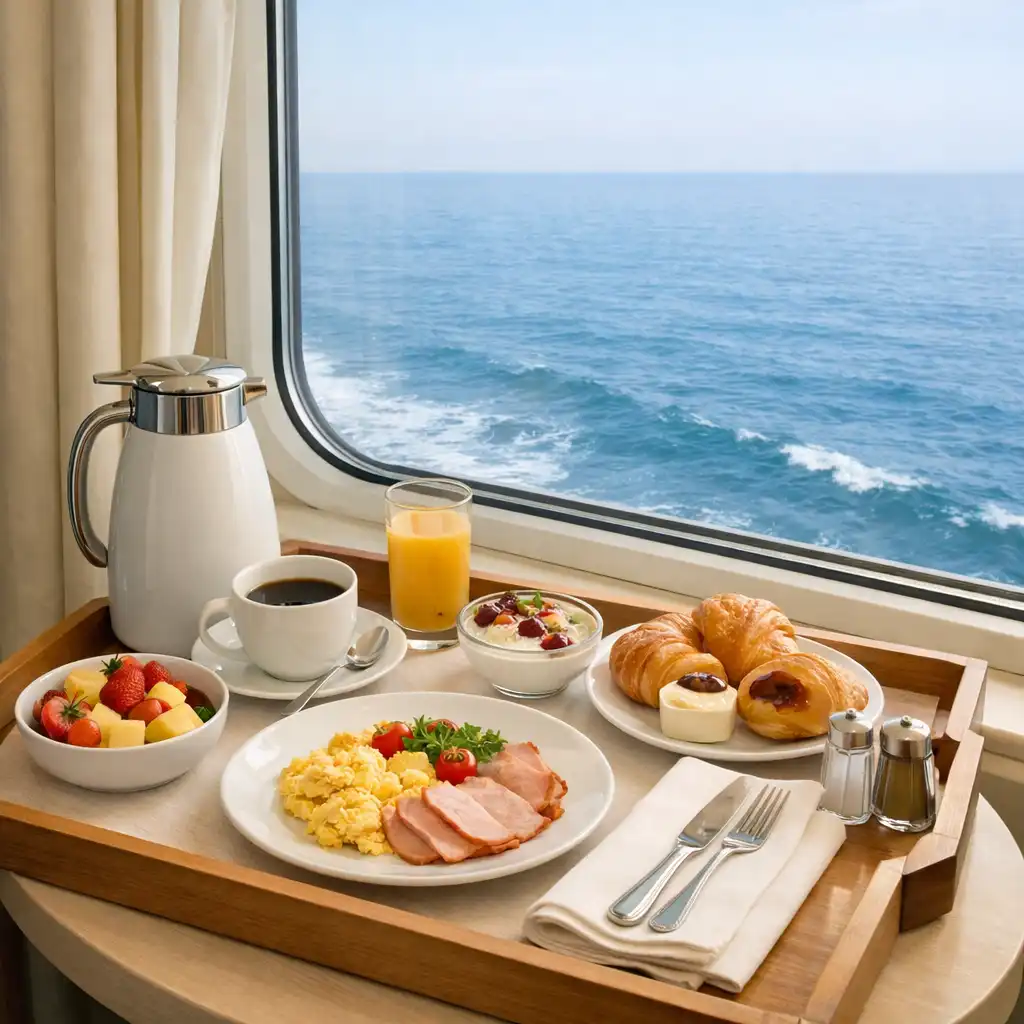
A breakfast tray beside an ocean-view cabin window on a cruise ship.
A quiet morning, checked in advance. Ordering method, delivery window and available menu are examples of details that can vary by cruise line, ship and itinerary.
Practical preparation

Plan around the way you travel

Dining feels more relaxed when it works with your requirements, energy and daily plans. A little early information can help without pretending that every ship follows the same routine.

01

Start with clear information

Visitors with dietary preferences or food-related requirements benefit from finding out what communication channels exist before sailing and once onboard. Ask the relevant cruise provider through its official information, then discuss current options where appropriate. Early communication is useful preparation, not a guarantee that any request can be accommodated.

02

Let the day’s schedule lead

Dining timing can be shaped by shore days, show times and the daily programme, so a little flexibility can make meals feel less rushed. Check meal hours against activities and likely port return times. The goal is simply to leave enough room for a meal that fits the day you actually have.

03

Read the room, not a rule of thumb

Dress guidance is best treated as venue-specific information, especially where a ship distinguishes casual and more formal evening settings. Expectations can vary by cruise line, ship and itinerary. Current guidance is more useful than a universal rule, and it lets visitors prepare without making the evening feel overly prescribed.

04

Confirm the particulars

Reservations, walk-ins and venue charges are details to confirm rather than assumptions to carry onboard. Daily schedules and venue information are the right places to look, because reservations, charges and availability can vary by cruise line, ship and itinerary.

Check current venue guidance before shaping the evening around it.

Before sailing

Questions worth asking before you sail

Practical details are ship-specific. These answers provide a useful starting point, while current onboard and provider information remains the best source for a particular voyage.

Independent editorial context

Keep the ship in context

ADSIGHT LTD is an independent Australian-English cruise travel information portal by ADSIGHT LTD. We publish editorial guides to cruise ships, cabins and suites, dining, entertainment, onboard facilities, cruise tips, articles and ship reviews to help readers understand life aboard before sailing.

We are not a cruise line, booking service or gambling operator. The aim is useful distance: practical information that helps you see how spaces, routines and choices may fit together on a particular ship.